


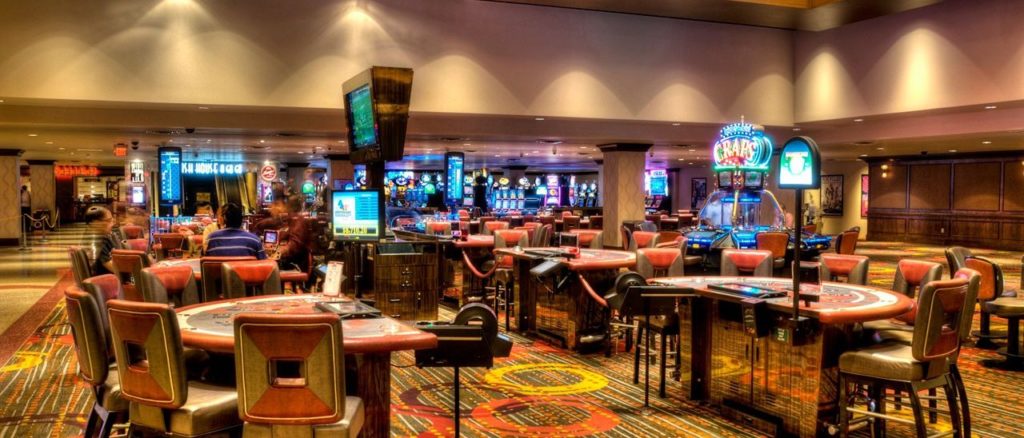
I've long believed that the best gambling experience is one where I stay fully in control https://westaces.com.pl/responsible-gambling/. Player safety is not about taking the fun out of the game it is about creating a structure that maintains healthy, sustainable entertainment. At Westace Casino I have access to a complete set of tools that assist me in setting boundaries track my play and log off when necessary. This guide walks through each of those tools so I can make informed, calm decisions each time I play.
Recognizing Player Protection as a Mindset
When I first encountered responsible gambling features, I saw them as something meant for other people. Over time, I came to understand that player protection is simply a proactive habit, much like financial planning or regular exercise. It is a mindset that recognizes my own limits and respects them. I do not wait for a problem to appear before I use deposit caps or reality checks. I integrate these tools into my routine because they help me preserve the light-hearted spirit of the game without letting it slip into stress or compulsion.
Shifting my perspective helped me to view limits as a form of self-care rather than a constraint. ranking I liken it to setting a timer when I read a good book so I do not ignore my sleep. The goal is never to penalize myself; it is to keep the activity in a place where it adds value. This mental shift is the basis of every other protection measure I use. Once I adopted the idea that control feels better than chaos, using the tools became second nature.
I also admire that Westace Casino designs its player protection features to be easily reachable. I do not need to search through endless menus to find a deposit limit or a session reminder. That simplicity strengthens the mindset because it removes friction. I can adjust my boundaries in seconds, which makes me more likely to use them consistently. When protection becomes effortless, it stops being like a chore and starts seeming like a natural part of my gaming experience.
Recognizing Early Warning Signs of Problem Gambling
Emotional and Behavioral Red Flags
I pay close attention to how gambling makes me feel, not just how much I spend. When I notice that I am chasing the excitement of a big win rather than enjoying the game itself, I stop. Other warning signs I watch for include irritability when I am not playing, lying about my activity, or neglecting social commitments to gamble. These emotional shifts often appear before financial problems do, so they are crucial early indicators. I consider them as signals to reassess my boundaries.
- Feeling restless or irritable when trying to cut down on play
- Playing to escape stress, anxiety, or low mood
- Repeatedly thinking about past gambling experiences or planning the next session
- Lying to family or friends about the extent of my gambling
- Jeopardizing relationships, work, or education opportunities due to play
I have learned that acknowledging these signs takes courage, but it is also an act of self-respect. I do not hesitate until every box is ticked before I act. A single persistent sign is enough for me to tighten my limits or take a break. The earlier I intervene, the easier it is to steer back to healthy play. Westace Casino provides the tools, but the willingness to use them early comes from within.
Financial Indicators I Should Not Ignore
Financial warning signs often start slightly. I might notice that I am dipping into savings or using credit cards for deposits. I might delay paying a bill because I have tied up funds in my gaming account. These actions can feel justified in the moment, but they damage my financial stability over time. I have made a personal rule never to gamble with money that is allocated for rent, utilities, or debt repayment. If I ever feel tempted to break that rule, I view it as a serious alarm.
Another indicator is the need to deposit larger amounts to feel the same level of excitement. This tolerance effect parallels what happens in other compulsive behaviors. When I catch myself thinking that my usual deposit limit feels too restrictive, I pause and examine whether my expectations have shifted. A healthy relationship with gambling does not require escalating stakes. I remind myself that the value of the experience lies in the entertainment, not in the size of the potential payout.
Time Awareness Checks and Gaming Time Management
The Reason Time Flies When I Am Playing
I realized that captivating games can distort my awareness of time. What seems like a short while can easily extend into a couple of hours. This is not a personal failing; it is a well-documented effect of engrossing entertainment. The visual effects, sounds, and interactive elements are designed to capture my attention, and they do that job very well. Acknowledging this honestly is the beginning toward managing it. I do not blame the game, but I take accountability for establishing guardrails around my time.
Without a careful strategy, I chance losing sleep, forgoing meals, or overlooking other activities I value. That is not the the experience I want. I engage to decompress, instead of uproot my life. Realizing how easily time slips away encourages me to utilize the session management tools that Westace Casino supplies. I view them not as annoying interruptions but as kind taps on the shoulder that help me remain in sync with my own goals.
Configuring Session Reminders
I establish reality check pop-ups directly in my preferences. I can pick periods of thirty, sixty, or ninety minutes, according to how long I aim to play. When the counter expires, a alert appears on my screen showing how long I had active and how much I have deposited during that session. I then hold the choice to continue, review my transaction history, or exit. That moment of obligatory reflection is priceless. It breaks the instinctive loop and sets me back in conscious control.
I have tested with alternate intervals and found that an hour works best for me. Shorter checks seem disruptive, while longer ones let too much time go by unnoticed. I also adopt a habit to log out immediately if the notification surprises me with a session length I did not expect. That simple habit has prevented innumerable evenings from turning into after-hours marathons. The reality check is my unobtrusive monitoring partner, and I don't ever turn it off.
Choosing Deposit Limits That Fit My Needs
Daily, Weekly, and Monthly Limits
I begin by considering my entertainment budget the same way I arrange a night out. I determine in beforehand how much I am willing spending and then establish a deposit limit that aligns with that figure. Westace Casino lets me select daily, weekly, or monthly caps, and I can pair them if I desire layered protection. A daily limit blocks impulsive top-ups after a losing streak, while a monthly cap guarantees I never overspend across multiple sessions. I notice that writing down my number before I set it makes the decision more deliberate.
The process itself is straightforward. I go to the responsible gambling section of my account, enter the amount I want to allow, and approve. The system immediately applies that boundary. I cannot override it in the heat of the moment, which is just the point. I have learned to appreciate that small moment of friction because it stops any urge to chase losses. By making the decision when I am calm and clear-headed, I protect myself from decisions I might later regret.
How to Modify Limits Responsibly
I understand that life circumstances change, and sometimes I wish to increase my limit. Westace Casino deals with this carefully. When I request a higher deposit cap, a cooling-off period of at least twenty-four hours is required before the change takes effect. This delay offers me time to reflect on whether the increase is truly necessary or just an emotional reaction. I have used that waiting window to reconsider more than once, and I am thankful for the built-in pause. It is a small but effective safeguard.
Decreasing a limit, on the other hand, takes effect immediately. I value this asymmetry because it emphasizes safety. If I ever think that my spending is increasing, I can restrict the boundary right away without any delay. I view this as an emergency brake that I hope I never need but am glad exists. The combination of instant tightening and delayed loosening builds a system that honors both my autonomy and my long-term well-being.
Reviewing My Account History for Mindfulness
Reviewing My Transaction Logs
I make it routine to check my full transaction history at least once a month. The log shows every deposit, withdrawal, wager, and bonus I have used. At first, I felt the raw data a little intimidating, but I quickly realized it is the most honest mirror of my behavior. Numbers do not lie. When I see a cluster of late-night deposits or a spike in wagering after a big win, I can detect patterns that my memory might otherwise gloss over. This objective view is essential for honest self-assessment.
I export the history as a spreadsheet and sort it by date and type. This enables me to calculate my net position over time and compare it to my budget. I do not fixate over every cent, but I take note to trends. If my average weekly spend is rising upward, I adjust my limits before it becomes a problem. The transaction log is my early warning system, and I review it as regularly as I check my bank statements.
Employing Data to Spot Patterns
Beyond the numbers, I search for behavioral clues. Do I usually to deposit more on weekends? Do I boost my stakes after a series of losses? Am I spending longer sessions when I use a particular payment method? These questions convert raw data into actionable insights. I keep a simple journal where I record my observations and any adjustments I plan to make. The combination of quantitative data and qualitative reflection provides me a complete picture of my gambling habits.
Queries I Ask Myself
- Am I depositing more frequently this month compared to last month?
- Do I experience anxious or irritable when I cannot play?
- Have I ever hidden my gambling activity from someone close to me?
- Am I taking out money or using funds meant for essentials to gamble?
- Do I place limits and then try to find ways around them?
I address these questions honestly, without self-judgment. If even one answer triggers a red flag, I initiate immediate action, whether that means lowering my limits, activating a cool-off, or asking for support. This self-audit takes only a few minutes, but it makes me accountable. I have realized that the most dangerous lies are the ones I tell myself, and a structured review process leaves no room for self-deception.
Self-Exclusion: Taking a Complete Break
Temporary Cooling Breaks
Occasions arise when I recognize I require a pause. Perhaps I have been gambling more frequently, or I detect that my state of mind is starting to depend on results. In these scenarios, I use the brief break tool. I am able to freeze my account for twenty-four hours, a week, or a month. Throughout that period, I am unable to access, make deposits, or receive marketing notifications. The time-out provides me with space to reset my perspective without taking a permanent decision.
I have taken cool-off periods a few times, and on each occasion I went back experiencing refreshed and more composed. The important aspect is to activate the break as soon as I feel the urge, not after I have gone over a line. I treat it like having a day off from the gym when my body feels worn out. It is a proactive measure, not a penalty. Westace Casino simplifies to start a cool-off straightaway from my account dashboard, which motivates me to respond to my instincts quickly.
Permanent Suspension Options
If I require a greater separation, I turn to the self-exclusion program. I can ban myself for six months, one year, or extended durations. Once I confirm the exclusion, my account is closed, and I cannot open a new one during the exclusion period. Westace Casino enforces this block across its platform to stop me from circumventing it. I appreciate the thoroughness because it eliminates temptation entirely. The decision feels weighty, but the peace of mind it delivers is substantial.
I have observed friends use long-term self-exclusion as a turning point in their relationship with gambling. They characterize it as reclaiming time and mental energy that had been slowly draining away. I maintain this option in my back pocket as a critical tool for serious moments. Knowing it is available lowers my anxiety because I recognize that I can always step away completely if I ever need to. That safety net renders my everyday play feel lighter and more voluntary.
Ways to Reactivate After a Break
Reactivation after a cool-off or self-exclusion period is not automatic, and I am glad for that. When my exclusion period ends, I must proactively contact the support team to request account reinstatement. There is a mandatory reflection period before access is restored, which gives me one final chance to assess whether I am truly ready to return. I employ that window to check my financial situation, my emotional state, and my reasons for wanting to play again.

I put together a concise list of limits I aim to establish immediately upon restoration, including smaller deposit caps or stricter session alerts. This transforms the reentry into a clean commencement as opposed to a backslide into old habits. The restoration process is intended to be encouraging, not critical. The assistance team manages my request with competence, and I have not once felt rushed. That consideration reinforces my confidence in the entire player protection system.
Loss Controls and Betting Caps Explained
How to Differentiate Loss Limits and Deposit Limits
I used to mistake loss limits with deposit limits, but they fulfill distinct purposes. A deposit limit restricts how much money I can move into my account over a set period. A loss limit, on the other hand, caps how much I can forfeit from my deposited funds during play. If I configure a weekly loss limit of one hundred euros, the system stops me once my net losses attain that threshold, even if I still have money in my account. This protects me from the dangerous cycle of reloading after a bad run.
I consider loss limits especially helpful because they address the emotional side of gambling. When I am on a losing streak, my instinct might be to deposit more to recoup it. The loss limit eliminates that option entirely. It obliges me to accept the loss and walk away. Over time, this has trained me to view losses as the cost of entertainment rather than a challenge to be overcome. That mental reframe has been one of the healthiest shifts in my play.
Defining a Betting Cap
A wagering cap limits the total amount I can stake, regardless of wins or losses. For example, I might decide that I will not bet more than five hundred euros in a month, even if I am recycling winnings. This tool stops me from churning my balance excessively and maintains the volume of play in check. I place it alongside my deposit and loss limits to build a comprehensive safety net. Each limit addresses a different angle, and together they leave very little room for impulsive behavior.
I modify my wagering cap based on my monthly entertainment budget. I assess it at the start of each month, just like I review my streaming subscriptions or dining-out allowance. This routine changes the cap from an abstract number into a deliberate choice. When I hit the cap, I stop playing for the rest of the period, no questions asked. The clarity of that rule removes internal negotiation and maintains my gambling firmly in the realm of leisure.
Outside Support Services in Poland
Countrywide Helplines and Rehabilitation Centers
I hold a list of professional resources ready, although I hope I never require them. In Poland, the National Helpline for Problem Gambling is available at 800 120 002. This free, confidential service delivers support from trained specialists who understand the complexities of gambling addiction. I may call to discuss my own concerns or to seek advice for someone I care about. Knowing that a compassionate voice is just a phone call away diminishes the stigma of asking for help.
Furthermore, Poland has specialized treatment centers that provide outpatient and inpatient programs for gambling disorders. These facilities feature cognitive-behavioral therapy, group sessions, and financial counseling. I view them as resources for deep, structural change when self-help tools are not sufficient. The fact that such services exist underscores the message that problem gambling is a treatable condition, not a moral failing. I keep this information accessible so that I am able to act quickly if the need ever emerges.
Online Therapy and Support Groups
For individuals who like digital access, I suggest checking out online therapy platforms that match users with licensed psychologists skilled in addiction treatment. Many of these services deliver sessions in Polish and can be attended from home. I also value the community aspect of support groups. Anonimowi Hazardziści, the Polish branch of Gamblers Anonymous, holds regular meetings where individuals share their experiences and recovery strategies in a non-judgmental environment. The power of shared stories cannot be overstated.
I observed an open meeting once out of curiosity, and I was struck by the honesty and warmth in the room. Participants shared their struggles without shame, and they recognized small victories together. That sense of solidarity is something no app or limit-setting tool can duplicate. I encourage anyone who struggles with isolated in their gambling habits to attend at least one meeting. It can be the spark that starts lasting change.
Personal Assistance Tools and Apps
Beyond formal therapy, I have found benefit in self-help resources like workbooks, podcasts, and mobile apps designed to track mood and spending. Some apps block gambling websites across all devices, offering an extra layer of protection during vulnerable periods. I also use budgeting apps that categorize my entertainment spending and send alerts when I approach my limit. These tools complement the built-in features of Westace Casino and create a holistic safety ecosystem that follows me everywhere.
Building a Balanced Play Routine
Mixing Entertainment and Responsibility
I consider gambling as one component of a much larger leisure pie. When I stock my week with exercise, hobbies, and social connections, gambling automatically occupies a healthier space. I arrange my play sessions in advance and establish a firm end time, just as I would for a movie or a dinner reservation. This prevents gambling from spilling into time reserved for other essential activities. Balance is not about deprivation; it is about making sure no single activity controls my identity or my schedule.
I also practice a simple ritual after each session. I close the game, take three deep breaths, and mentally note one good thing from the experience, whether it was a fun bonus round or simply the appreciation of the graphics. This small act of closure helps me transition back to the rest of my life without carrying the emotional residue of wins or losses. Over time, it has made my play feel lighter and more contained.
Developing a Personal Player Protection Plan
I have recorded a one-page protection plan that I check every month. It includes my deposit, loss, and wagering limits, my preferred session length, and the specific triggers that indicate I need a break. I also include the phone number for the national helpline and the contact details of a trusted friend I can talk to openly. Putting these commitments on paper renders them real and non-negotiable. The plan is my contract with myself, and I take it seriously.
I update the plan whenever my financial situation or emotional state evolves. If I am going through a stressful period, I lower my limits preemptively. If I have a vacation coming up, I adapt my entertainment budget accordingly. This flexible approach renders the plan relevant and effective. I have learned that the simple act of reviewing the document strengthens my commitment and reminds me that player protection is an ongoing practice, not a one-time setup.